Green hydrogen, produced through processes with substantially low carbon emission, will play a key role in India’s energy transition, especially in heavy industry, said CSIR-National Chemical Laboratory director Ashish Lele here on Thursday. He was delivering the keynote address on the founder day’s celebrations held at the CSIR-Centre for Cellular and Molecular Biology (CCMB) in… Continue reading CSIR-CCMB founder’s day organised in Hyderabad


Author: admin
India needs to step up its fight against invasive fishes
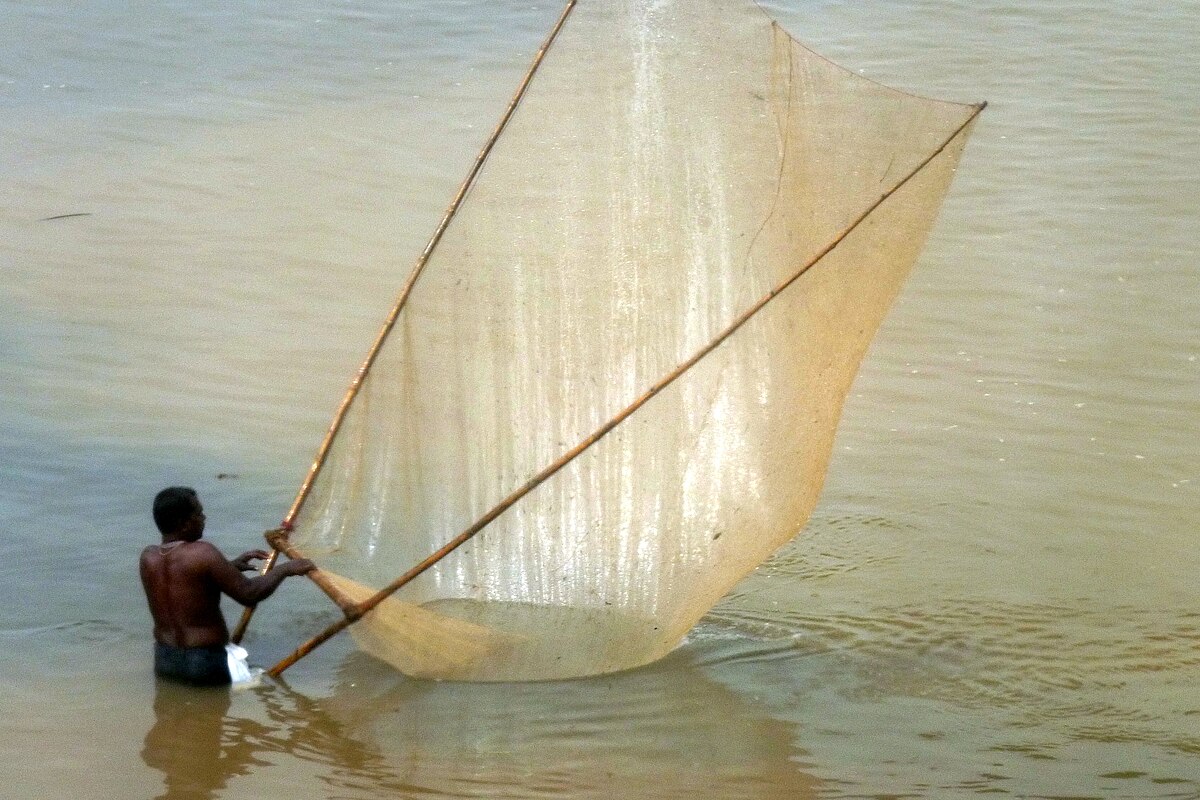
Many of India’s aquatic ecosystems have invasive fish species introduced for various purposes in the past. These invasive fish species compound the challenges faced by declining aquatic biodiversity, posing threats to the ecological balance and the livelihoods of communities dependent on these ecosystems. Addressing this issue requires coordinated collective action, encompassing robust policies, extensive research,… Continue reading India needs to step up its fight against invasive fishes
“Genomics holds immense potential in future outbreaks by identifying the genetic basis of infectious agents and chronic diseases”

Tuberculosis (TB) has been a long-standing problem in India. To effectively treat TB, it is imperative to find newer targets, which are important for in-vivo bacterial survival and persistence. Hyderabad-based Centre for Cellular & Molecular Biology (CCMB), led by its director Dr Vinay Kumar Nandicoori, is working on finding new TB targets. In an interaction… Continue reading “Genomics holds immense potential in future outbreaks by identifying the genetic basis of infectious agents and chronic diseases”
Refocusing on Rare Diseases

The US Food and Drug Administration (FDA) approval in December 2023, of two milestone treatments, Casgevy and Lyfgenia, representing the first cell-based gene therapies for the treatment of a rare disease called sickle cell disease (SCD) in patients 12 years and older, is a huge development. With rare diseases posing significant challenges due to the… Continue reading Refocusing on Rare Diseases
CCMB scientists unravel origins of Ladakh people
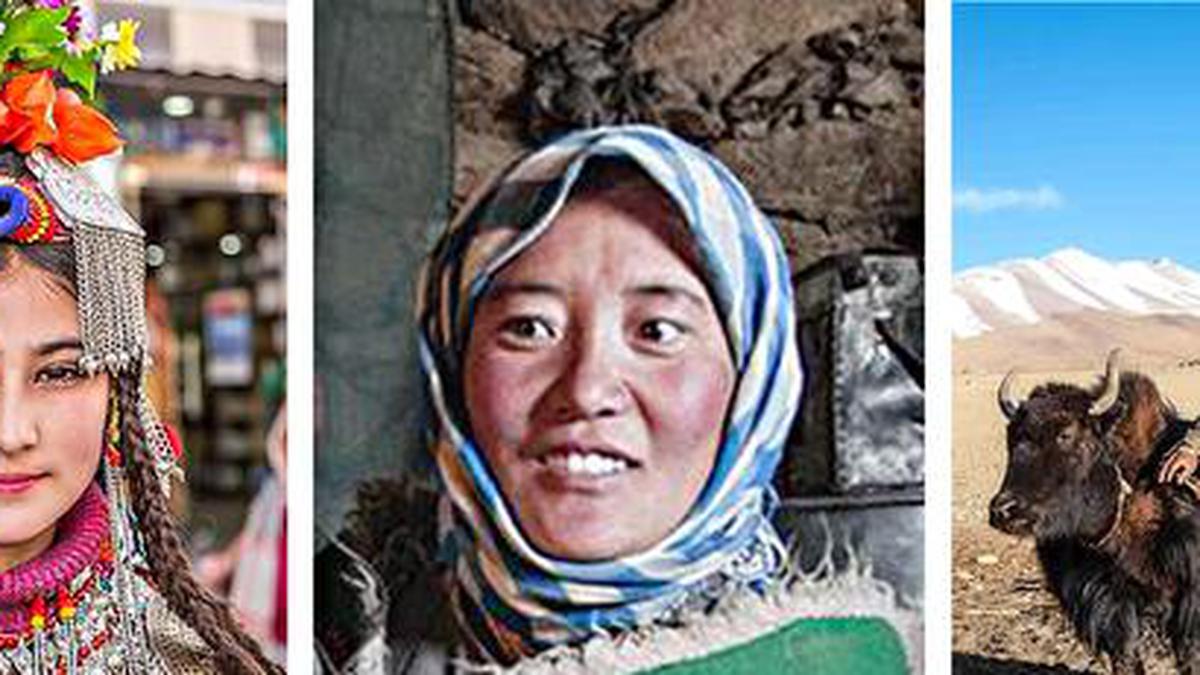
Ladakh is a high-altitude region, characterised by an alternating valley-range configuration with complex terrain and micro-climates operating over the terrain-facets and snowfall. The altitude varies from about 3000 metres in Kargil to more than 8000 metres in Karakoram. It lies at a strategic location between the Indus River valley and the Hindukhush Mountains, which makes… Continue reading CCMB scientists unravel origins of Ladakh people
Don’t flush that pet fish or turtle down the toilet: CCMB scientist
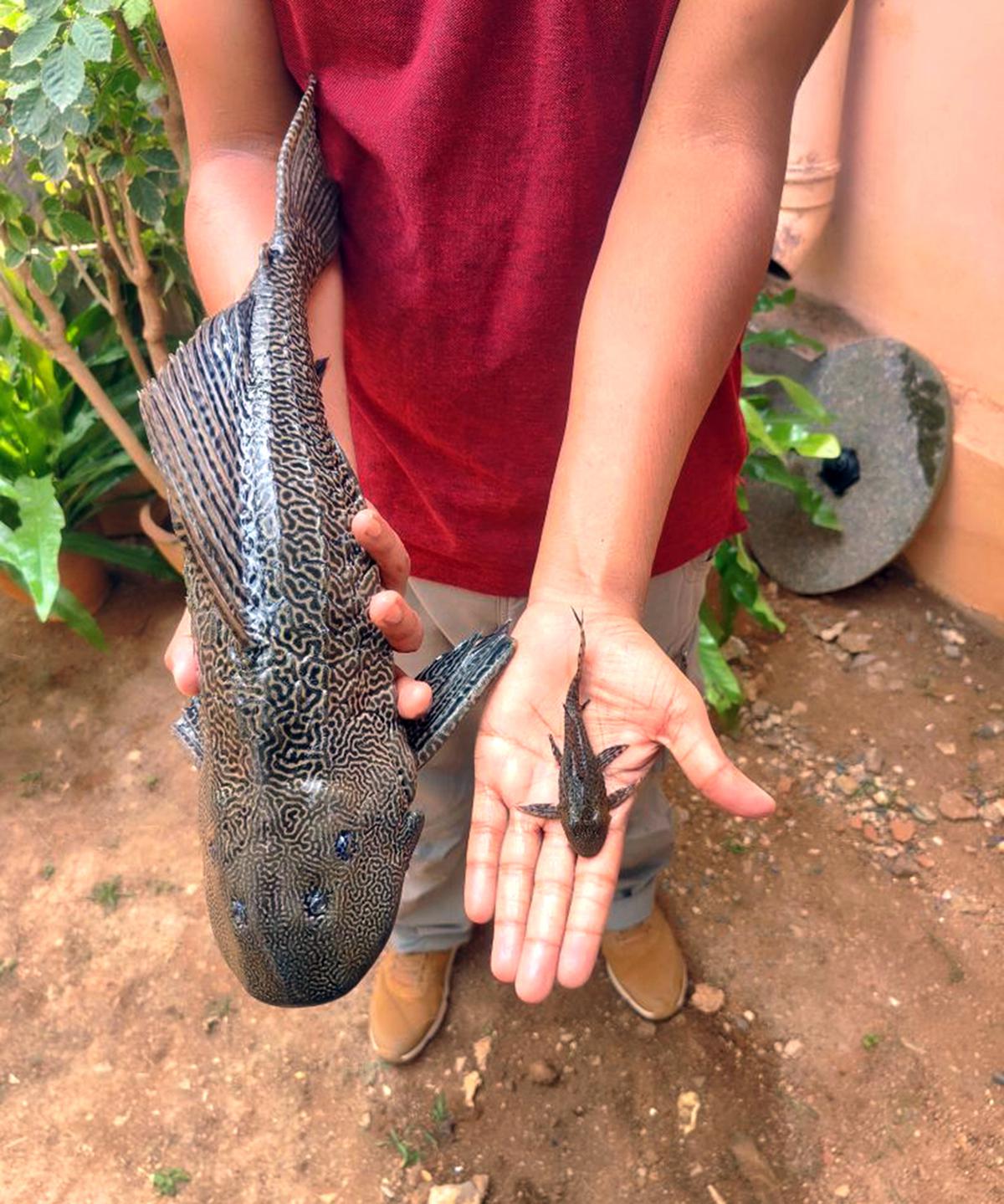
Invasive species are also responsible for incurring huge economic losses every year for the country, said invasion biologist Gopi Krishnan from Dr. G. Umapathy’s lab in an official online post Flushing pet fish or turtle down the toilet or releasing them in a pond, letting a pet bird fly away, abandoning a pet dog or… Continue reading Don’t flush that pet fish or turtle down the toilet: CCMB scientist
Genetic ancestries of South-west coast warrior class traced
Study revealed that the Nair and Thiyya communities share most of their ancestry from ancient migrants of North-west India The traditional warrior class and feudal lords of Nairs, Thiyyas and Ezhavas from Kerala, and Bunts and Hoysalas from Karnataka have been found to be genetically closer to populations of North-west India putting at rest their… Continue reading Genetic ancestries of South-west coast warrior class traced
Hyderabad researchers can now forecast pandemic
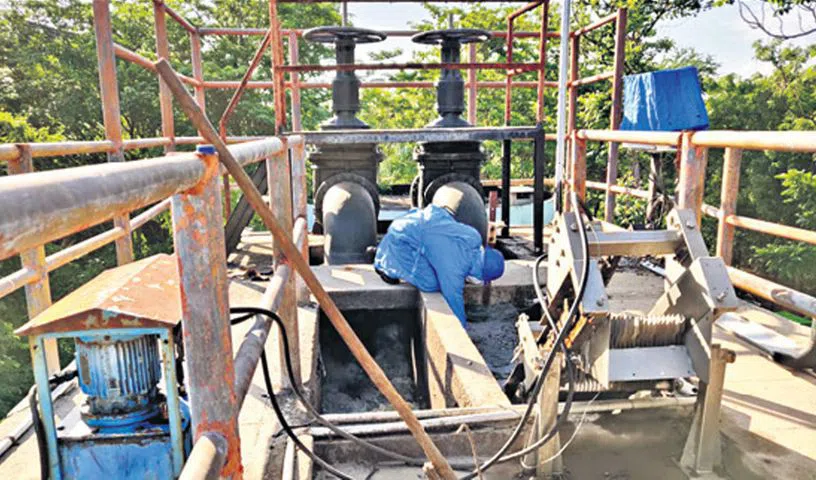
CCMB researchers develop a system to detect infections two weeks in advance Researchers from Hyderabad can now predict the possible onset of a pandemic like a fresh Covid wave two weeks in advance. Yes, you read it right! The wastewater surveillance system developed by researchers from the city-based Centre for Cellular and Molecular Biology (CCMB) can now… Continue reading Hyderabad researchers can now forecast pandemic
CCMB researchers estimate critically endangered ‘Hangul deer’ population using genetic data
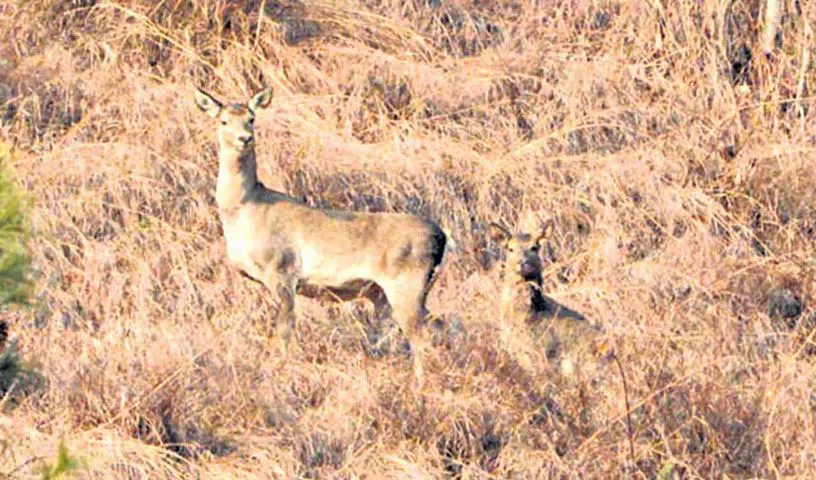
The Hangul deer (hangul Cervus hanglu hanglu) is categorised as ‘Critically Endangered’ on the IUCN Red List and as a Schedule 1 species in the Indian Wildlife (Protection) Act, 1972. For the first time in India, geneticists from the Hyderabad-based Centre for Cellular and Molecular Biology (CCMB) have utilised genetic data to estimate the population… Continue reading CCMB researchers estimate critically endangered ‘Hangul deer’ population using genetic data
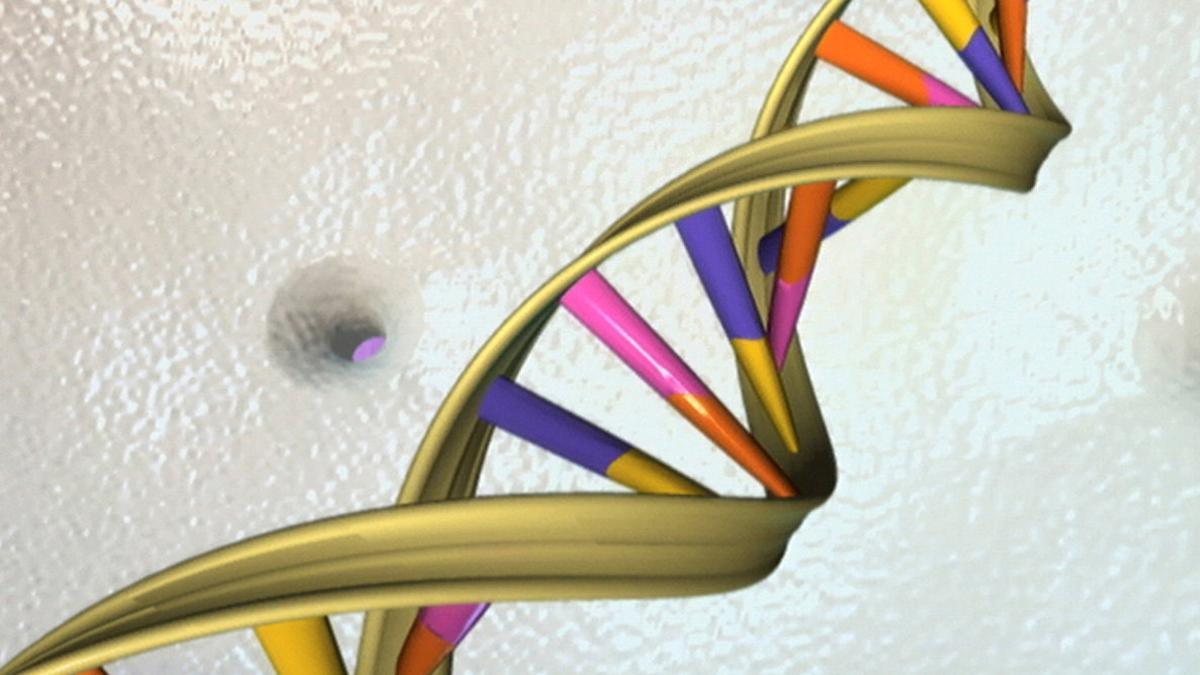
Unique unchanged DNA stretches define humans and other primates
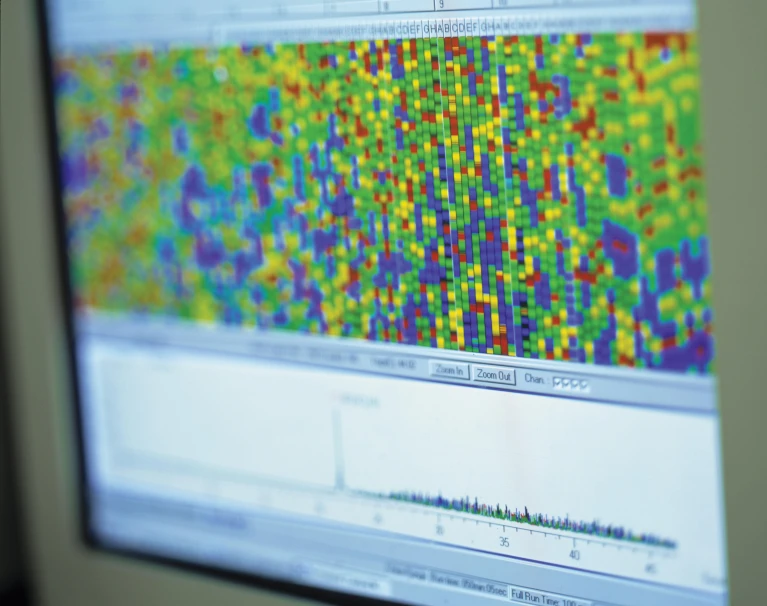
Hundreds of thousands of stretches of DNA have remained unchanged in humans and other primates for over 65 million years but not other mammals, genetic scientists have found1. These evolutionary records could play an important role in improving human health. Constrained genes are parts of the genome that don’t encode proteins. They carry most of… Continue reading Unique unchanged DNA stretches define humans and other primates